Work

See how we read a market

These engagements show what happens when media plans start with listening. Each case follows the same arc: read demand, frame the brief, run the plan, and re-read what shifted. Client names are anonymised where confidentiality requires.

Strategy team reviewing demand brief during client workshop

B2B SaaS · Singapore & ANZ

Reframing a product launch around search intent nobody was targeting

A HR-tech company planned to launch a payroll module with messaging focused on compliance. Our demand reading showed that mid-market finance teams in Singapore were searching for “payroll cut-off automation” and “CPF filing errors” — not compliance language at all. We rebuilt the paid search structure around those query clusters and shifted ad copy to match verbatim forum questions.

Result: cost-per-qualified-lead dropped 34% in the first six weeks compared to the client's previous campaign structure, with no increase in total spend. The quarterly recalibration caught a new competitor entering the same query space — and we adjusted before share-of-voice eroded.


Evening planning session reviewing ASEAN market entry signals

Consumer · ASEAN market entry

Reading regional demand before committing launch budget

A skincare brand entering Malaysia and Thailand wanted to replicate its Singapore Meta strategy. Our listening work revealed that Malaysian audiences discussed ingredient transparency in review forums far more than Singapore audiences, while Thai search demand clustered around sun-protection combinations rather than anti-ageing — the brand's home-market focus.

We recommended separate creative tracks and a search-first test in Thailand before scaling Meta spend. The approach prevented a six-figure misallocation that a channel-first plan would have made within the first month.

Demand reading notes comparing search intent against brand campaign assumptions

Professional services · Singapore

When the demand signal said stop spending on brand

A corporate law practice wanted brand awareness campaigns on LinkedIn. Demand reading showed that 78% of relevant search volume in their practice areas was high-intent “near-me” and specific-service queries — not brand terms. Social conversation was minimal for their category; search was where intent lived.

We redirected budget from LinkedIn brand campaigns to paid search with service-specific landing pages. Inbound consultation requests rose 41% over three months. The honest reading saved them from an expensive awareness play that the signal never supported.

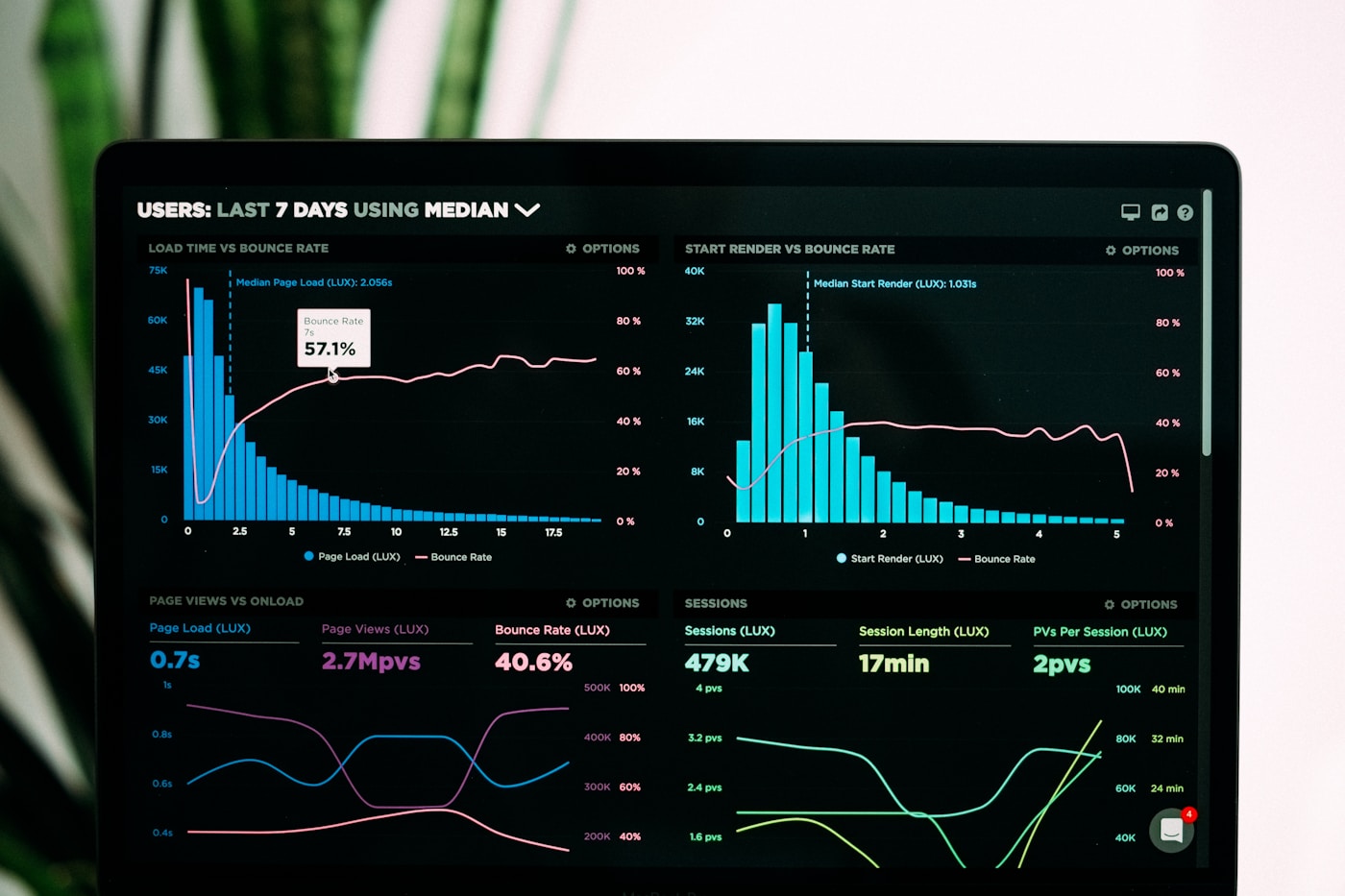
Search demand dashboard showing seasonal e-commerce intent clusters

E-commerce · Singapore

Tracking rebuild that finally showed which ads created demand

A home-goods retailer attributed everything to last-click and could not tell whether upper-funnel YouTube spend was working. We redesigned their GA4 event structure, implemented enhanced conversions, and separated new-customer from returning-customer reporting.

Combined with a demand map showing seasonal search peaks around renovation periods, the client reallocated 20% of budget to pre-season prospecting — timed to when search intent rose, not when last-click reports looked favourable. New customer revenue grew 28% year-on-year in the category we restructured.

Your category next

Every reading starts with a conversation

Tell us your category and we will show you what the signal landscape looks like — before you commit to a plan.